
UGC Ads for eCommerce: What Separates the Ones That Convert
What separates UGC ads that convert from the ones that burn budget: the four-part anatomy, real testing cadence, and how to judge them by profit, not clicks.
 Jordan Hayes5 min read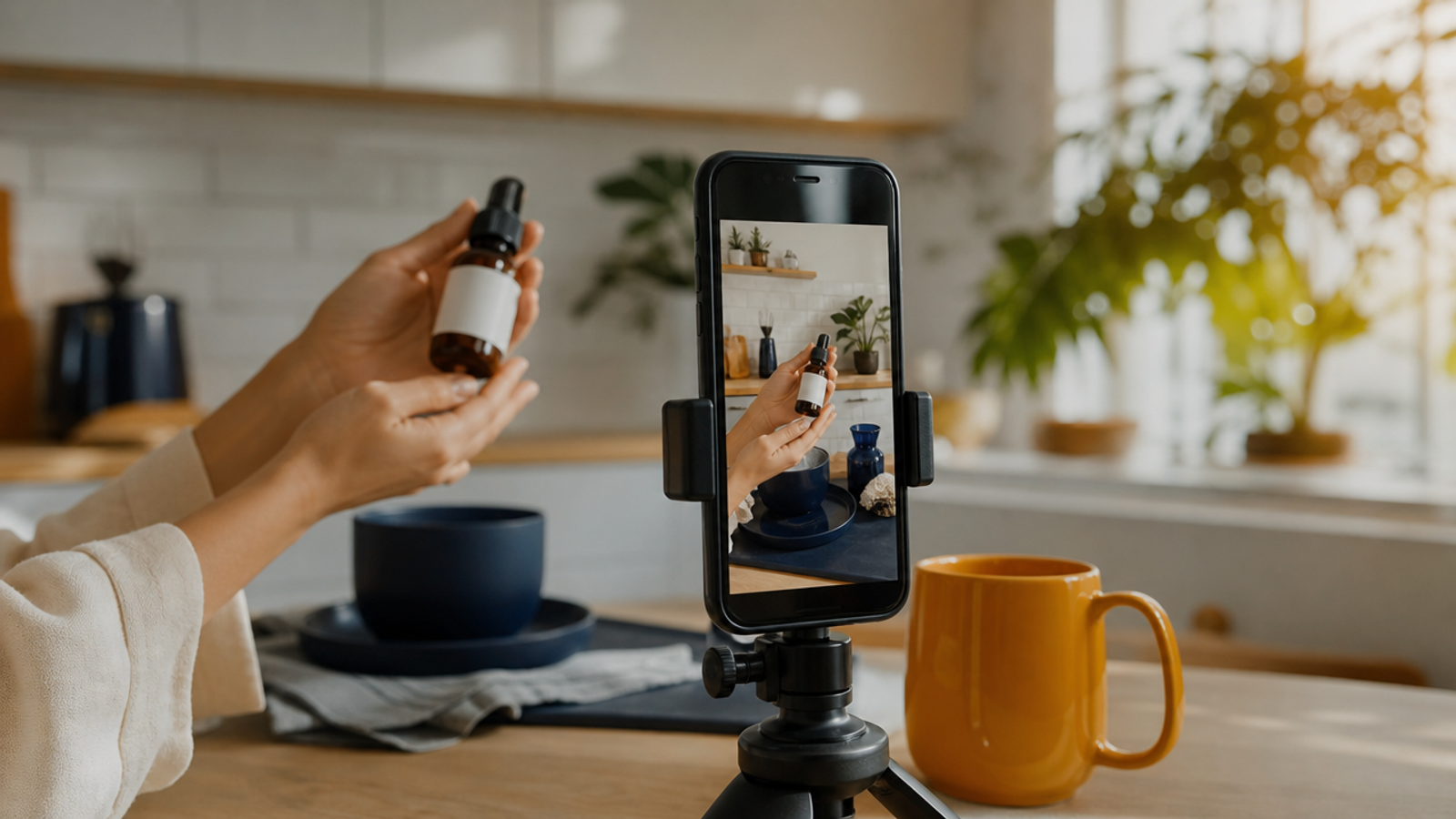
On this page
Most UGC ads fail for the same reason: brands copy the format and skip the mechanics. A creator holding your product and smiling isn't a strategy. The UGC ads that convert are built like direct response ads that happen to look homemade, and that construction is learnable.
Hayes Media is a done-for-you marketing agency for eCommerce brands. We source creators, script the ads, cut the variations, and buy the media behind them. This piece shows you what we look for before a UGC ad earns real budget, so you can build or brief better creative whether you work with us or not.
What is a UGC ad?
A UGC ad is a paid ad built to look like a customer made it. A creator films on a phone, talks straight to camera, and uses the product for real. You then run that video as a normal paid ad. The point isn't authenticity for its own sake. The point is that feed-native video earns the first three seconds that a polished brand ad usually loses. Great ads don't look like ads, and UGC done right is the purest form of that rule.
The anatomy of a UGC ad that converts
Every converting UGC ad we've cut shares four parts, in this order.
1. A hook that names the problem in three seconds
The hook decides everything downstream. If the first line doesn't name a problem your buyer feels, nothing after it gets watched. "I stopped using retinol because of this" beats "Meet the serum everyone's talking about" every time. Write ten hooks per concept and shoot the best three. The hook is also the cheapest thing to test: same body, new opening line, new ad.
2. Proof before promise
The middle of the ad has one job: make the claim believable before you make it big. Show the product working, a before and after, a texture, a result. A creator saying "look at this" while the camera shows it converts. A creator listing benefits into the lens doesn't. Viewers believe what they see and audit what they hear.
3. The product in real hands, in a real place
Kitchen counters, bathroom shelves, car seats. The setting does quiet work: it tells the viewer this is a person like them, not a set. Keep the phone-shot texture. When brands "upgrade" UGC with studio lighting, they usually delete the reason it worked.
4. One ask, stated plainly
End with a single instruction: where to go and what happens when they get there. "Tap the link, the starter kit is the one I use" outperforms a stack of offers. One ad, one ask.
Five example UGC ads you can adapt
These are teaching scripts built on the anatomy above. Steal the structure, swap in your product, and brief your creators with them.
1. The confession (skincare)
Hook: "I stopped using retinol because of this." Proof beat: the creator shows their skin up close, then the product texture going on. Ask: "The starter kit is the one I use, it's in the link." Why it works: the confession creates a problem the viewer has to see resolved.
2. The three things (food and supplements)
Hook: "Three things I wish I knew before I spent money on greens powders." Proof beat: each point lands on camera with the product in frame, mixed and tasted for real. Ask: one line, one link. Why it works: the list format holds attention and the third point sells.
3. The before and after (home goods)
Hook: "My kitchen counter at 7am versus 7:05." Proof beat: the transformation happens in one continuous shot, no cuts, because cuts breed doubt. Ask: "Tap the link if your mornings look like the first clip." Why it works: the product is the visible cause of a visible change.
4. The routine (fitness and apparel)
Hook: "What I actually wear for a 5am gym session in winter." Proof beat: the product earns its place inside a real routine instead of being presented to camera. Ask: a casual mention, not a pitch. Why it works: the viewer buys the routine and the product comes with it.
5. The objection (any considered purchase)
Hook: "I thought this was overpriced. I was wrong, and here's the math." Proof beat: the creator walks through cost per use against the cheaper alternative they replaced. Ask: "Do the math for yourself, link's below." Why it works: it meets the objection head on instead of hoping the viewer forgets it.
Want to see scripts like these turned into finished ads at volume? We build and test full batches on camera on our YouTube channel.
How we test UGC creative without burning budget
Treat creators as hypotheses, not deliverables. Brief three creators on the same concept, cut three hooks per creator, and let the account tell you which combination earns more spend. Kill anything that misses your cost target after a fair test window, and feed what you learned into the next brief. The batch is the unit of work, never the single ad. Track your hit rate: winners divided by ads tested. That number tells you whether your creative process works, not any single ad.
We show this process on camera regularly on our YouTube channel, including the 7 Levels of Meta ad creatives, our ladder from random testing to a repeatable creative flywheel.
Judge UGC by profit, not by clicks
Here's where most creative conversations go wrong: they stop at the ad account. A UGC ad that buys one-time bargain hunters at a great CPA can still lose you money, and an ad that looks expensive can quietly buy your best customers. We judge every creative by the whole business: what the customers it brings in are worth over time, against what they cost to acquire. Lifetime gross profit to CAC is the scoreboard. Clicks, hook rates, and even first-purchase ROAS are just instruments on the way there.
That lens changes creative decisions. It tells you which angles attract subscribers instead of one-off buyers, which offers deserve the spotlight, and when a "losing" ad deserves another week.
Want this done for you?
We've done this for 57+ eCommerce brands. If you'd rather have senior operators source the creators, cut the ads, and run the testing for you, book a discovery call. We'll audit your current creative and show you what's leaking revenue.
Frequently asked questions
- What is a UGC ad?
- A UGC ad is a paid ad built to look like a customer's own video or photo. A creator films it on a phone, talks to the camera, and shows the product in real use. You then run it as a normal paid ad on Meta or TikTok.
- Do UGC ads work for every eCommerce brand?
- No. UGC works best when the product shows a visible result or solves a felt problem: skincare, food, home goods, fitness. For products bought on spec sheets, a clear demo ad often beats a testimonial-style UGC ad. Test both before committing budget.
- How many UGC creatives should we test per month?
- Enough that losing ads never get comfortable. For brands spending five figures a month, that usually means a fresh batch of hooks and creators every week, with clear kill rules for anything below your target cost per acquisition.
- How do we judge whether a UGC ad is actually profitable?
- Not by clicks or even by first-purchase return on ad spend alone. Judge it by what a new customer is worth over time against what it cost to get them: lifetime gross profit to CAC. An ad that buys loyal customers can look expensive in week one and still be your winner.
Want this run for your brand?
Hayes Media builds direct response creative, buys the media, and runs the email & SMS behind it.
Book a discovery call